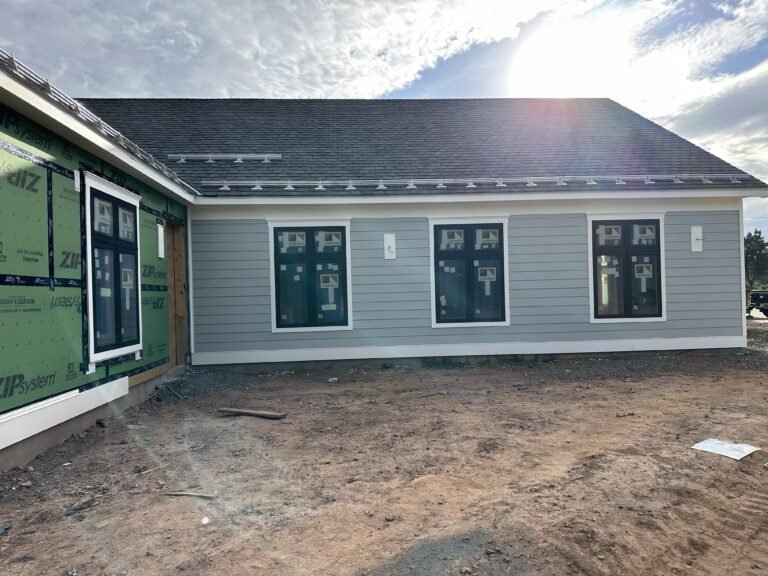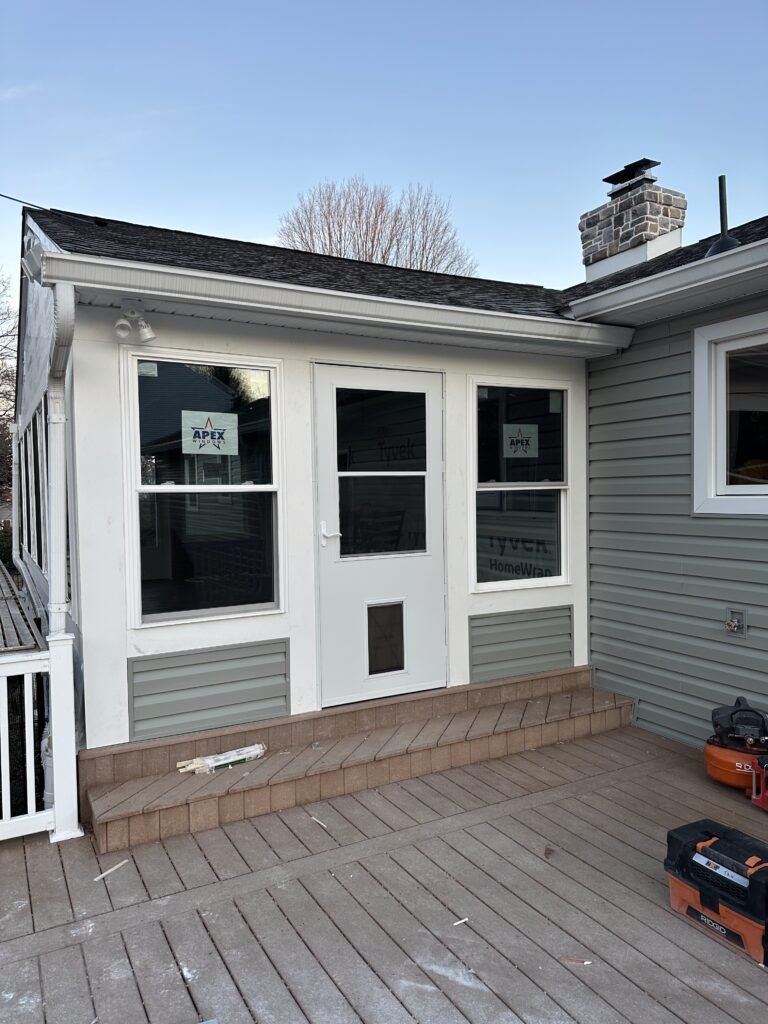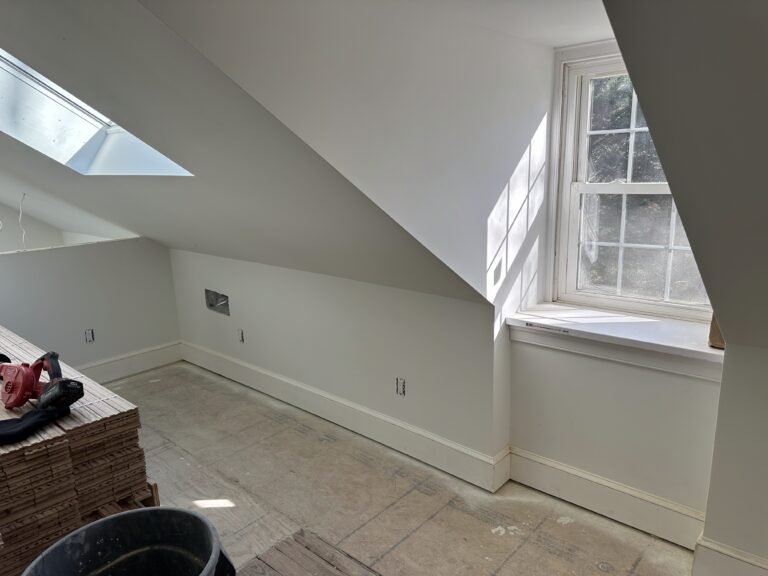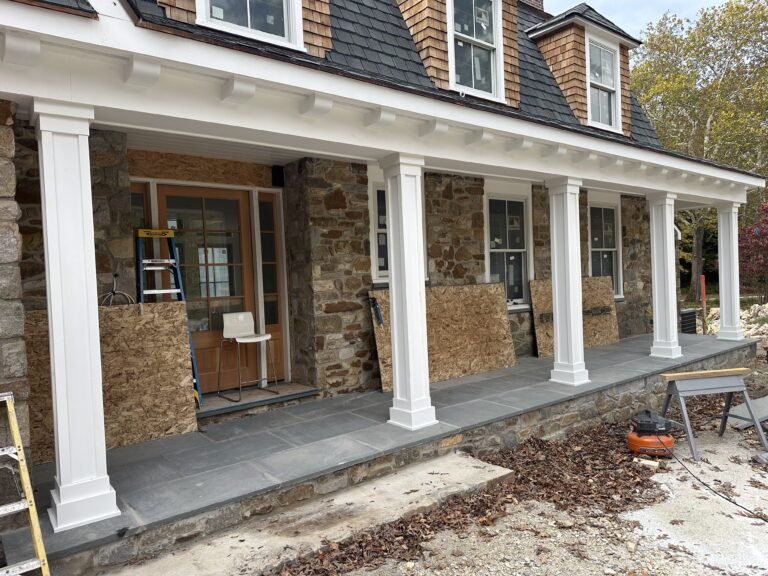
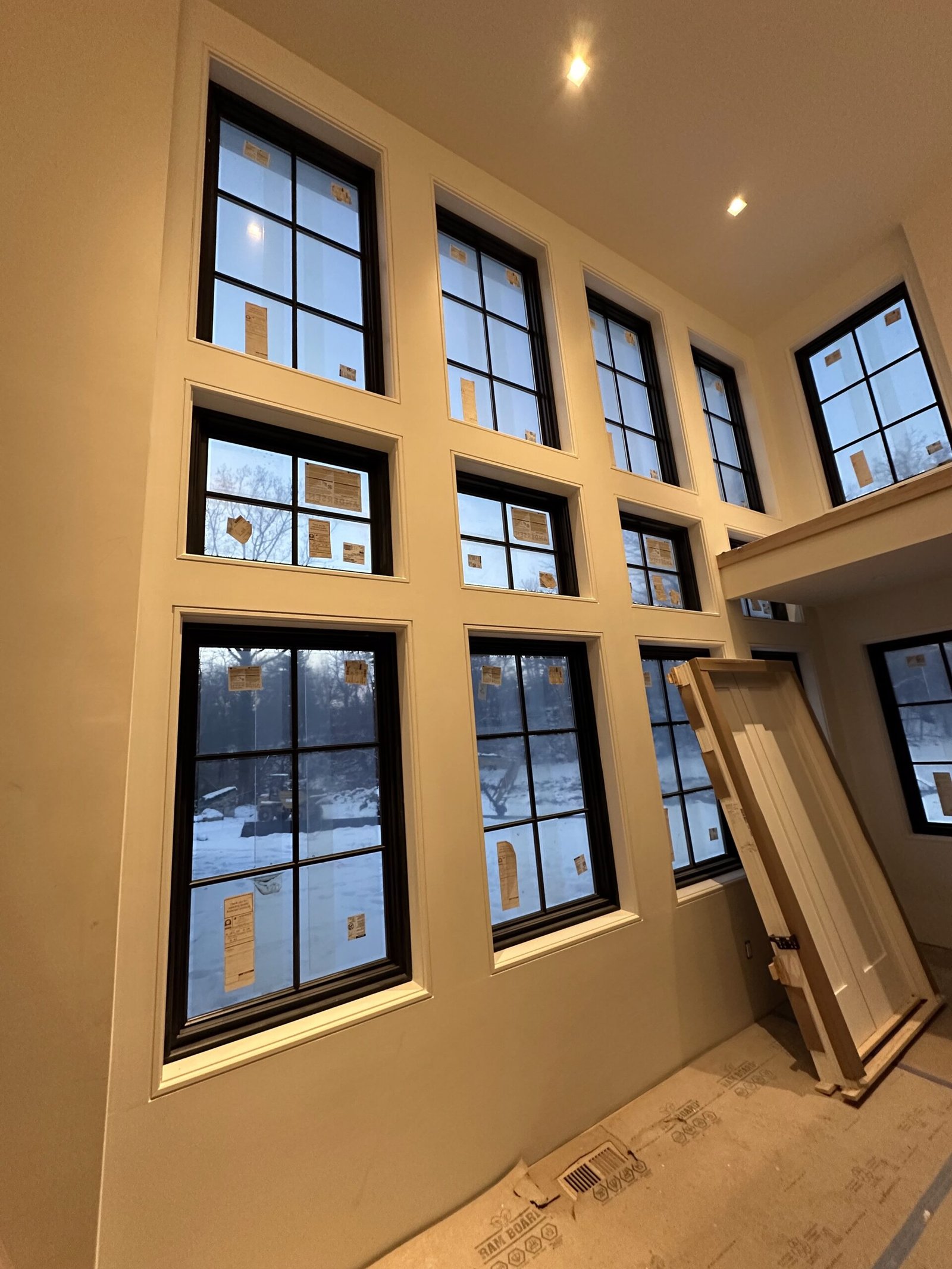

A commercial renovation in PA moves differently than a home project. The stakes are higher, the schedule is tighter, and the questions you forget to ask up front have a way of showing up later as delays, overruns, or work that has to be redone. Before you hand a contractor the keys to your building, there are things you need to know. This guide covers exactly what to ask.
D&E Mako Renovation handles commercial renovation work across Lancaster County and central Pennsylvania, including in Ephrata, Lititz, Millersville, and the surrounding area. We put what follows into practice on every job we take.
What this guide covers
- Why commercial renovation requires a different kind of contractor
- Questions about licensing, permits, and compliance
- Questions about the scope, schedule, and crew
- Questions about communication and accountability
- What good answers actually sound like
- Where D&E Mako Renovation works in Pennsylvania
Commercial renovation contractor Ephrata PA: why it is not the same as residential work
A lot of contractors do residential work. Fewer handle commercial renovation with the same level of competency. The difference is not just scale. Commercial projects involve building codes that do not apply to homes, occupancy considerations, work schedules tied to a tenant’s business hours, and in many cases, stricter inspection requirements.
In Pennsylvania, commercial renovation contractors may need separate licensing depending on the scope and type of work. Electrical, plumbing, and HVAC sub-trades each carry their own licensing requirements at the state and sometimes local level. A general contractor who understands this and manages those relationships well is worth considerably more than one who hands you a bid without mentioning any of it.
The core issue: A contractor who is excellent on residential jobs may not be the right fit for a commercial space. Ask specifically about their commercial experience, not just their experience overall.
Questions about licensing, permits, and code compliance
Are you licensed for commercial work in Pennsylvania?
Pennsylvania’s Bureau of Professional and Occupational Affairs oversees licensing for contractors and trade professionals across the state. For commercial renovation work, ask the contractor directly which licenses they hold, which trades they self-perform, and which they subcontract. A straightforward answer is a good sign. Vagueness is not.
Who pulls the permits, and how do you handle inspections?
On any legitimate commercial renovation in PA, permits are pulled before work begins. If a contractor suggests skipping permits to save time or money, that is your cue to find someone else. Unpermitted commercial work creates liability for the building owner, can void insurance coverage, and may require demolition and rebuild to correct.
Ask who is responsible for scheduling inspections and what happens if an inspection requires changes to completed work. That last question tells you a lot about how experienced they actually are.
How do you handle ADA compliance and Pennsylvania commercial building codes?
If your renovation changes the use of a space, modifies entry points, adds restrooms, or affects egress, ADA compliance and Pennsylvania’s Uniform Construction Code both come into play. Not every contractor thinks about this proactively. The ones who bring it up before you ask are the ones who have done this before.
Questions about scope, schedule, and the crew
What is included in the scope, and what is not?
Commercial renovation scopes can be written broadly or narrowly, and the difference between those two approaches often lives in a single paragraph of the contract. Before anything is signed, walk through the written scope line by line. Ask specifically what is excluded. Ask what happens if something is discovered mid-project that falls outside the current scope. The answers to those questions will tell you how clearly they have thought through your project.
Practical advice: Ask for a written list of exclusions, not just a list of what is included. What is left out of a commercial scope is often where the disagreements start.
What is the realistic timeline, and what could push it?
Every contractor will give you a timeline. The more useful question is what assumptions that timeline is built on, and what happens when those assumptions do not hold. Material lead times, inspection scheduling, and subcontractor availability are all legitimate variables. A contractor who has thought about these will give you a range and a contingency. One who has not will give you a date and move on.
Who is on the crew, and are they consistent throughout the project?
Commercial spaces often have limited windows for work, whether that is after business hours, on weekends, or around a tenant’s operating schedule. A consistent crew that works together regularly executes within those constraints more reliably than a rotating group of subs who are coordinating with each other for the first time on your job.
Ask whether the people doing the estimate are the people doing the work. Ask who the on-site supervisor is and how often that person will actually be present. These are not trick questions. They are the ones that determine how your project actually runs.
How do you manage subcontractors?
On most commercial renovation projects, a general contractor coordinates multiple trades: framing, drywall, electrical, plumbing, finishing, and others. Ask how they vet and manage their subs. Ask whether they use the same subcontractors regularly or hire whoever is available. Contractors who have established relationships with reliable trade partners deliver more consistent results than those who are essentially staffing each job from scratch.
Questions about communication and accountability
Who is my single point of contact throughout the project?
On a commercial renovation, you should not have to track down multiple people to get a straight answer on your project. There should be one person you can call or message who knows the status of every aspect of the job. Find out who that person is before work begins, and confirm they will remain in that role through completion.
How do you document changes to the original scope?
Change orders are a normal part of commercial renovation. The question is not whether they will happen, but how they are handled. Every change to the scope should be documented in writing before work on that change begins. This protects both parties and keeps the project from accumulating undocumented costs that become a dispute at the end.
Red flag to watch for: A contractor who says changes are handled informally, or that written change orders slow things down, is telling you how their projects end up in disputes. Verbal approvals on commercial jobs are a liability.
What does project closeout look like?
Ask how the contractor defines completion. Is there a formal walkthrough? A punch list process? Who signs off on the work, and what happens if items from the punch list are not resolved promptly? The closeout process is where commercial projects either finish cleanly or drag on for months. A contractor who has a defined process for it has been through enough projects to know why it matters.
What good answers actually sound like
Across all of these questions, good answers share a few qualities. They are specific. They reference real projects or processes. They acknowledge variables rather than promising everything will go perfectly. And they come without defensiveness, because a contractor who has done this work knows these are fair questions.
Answers that are vague, overly confident, or that treat your questions as obstacles are worth taking seriously as a signal. You are about to hand someone responsibility for your building and your business continuity. The conversation before you sign is the best data you have.
Where D&E Mako Renovation handles commercial work in Pennsylvania
Commercial renovation service area
- Ephrata, PA — our base of operations and primary service hub for commercial renovation across eastern Lancaster County
- Lititz, PA — a growing commercial corridor where tenant improvement and retail renovation work is consistently in demand
- Millersville, PA — near Lancaster city, with a steady mix of commercial and light industrial renovation projects
- New Holland, PA — a working business community where we handle interior renovation, framing, and finishing for commercial spaces
- Strasburg and Bird-in-Hand, PA — historic commercial areas where renovation requires attention to both function and existing character
- Lancaster County broadly — we work throughout the county on commercial projects of varying scope and type
If your property is outside these areas, reach out through our contact page and we will let you know whether it falls within our range. We take commercial work seriously and are straightforward about what we can and cannot take on.
The short version
Before starting any commercial renovation in PA, you should know who is licensed to do the work, who pulls the permits, who is on site every day, how changes are documented, and who you call when something comes up. Those questions take twenty minutes to ask and can save you months of problems.
D&E Mako Renovation is based in Ephrata and takes on commercial renovation projects across Lancaster County and central Pennsylvania. We are a hands-on crew, we manage our own work, and we put everything in writing. Read more about our commercial renovation services or take a look at our full services overview.
Have a commercial space in Pennsylvania that needs work? We are glad to come take a look and give you a straight answer on what is involved.Request a Free Estimate