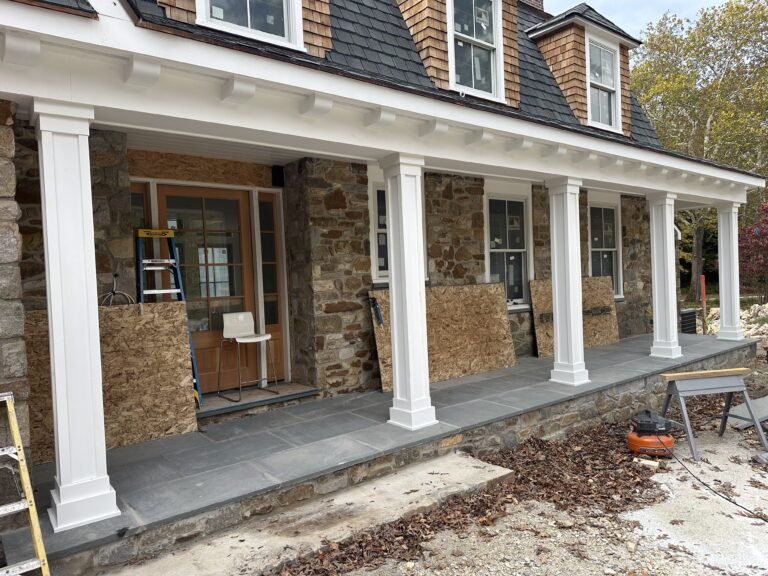

You painted a room, and a few months later small round bumps or cracks appeared in a neat line across the wall or ceiling. Those are nail pops, and they are one of the most common and most misunderstood drywall issues. Understanding what causes nail pops in drywall is the key to fixing them so they stay fixed, rather than filling them once and watching them return with the next change of season.
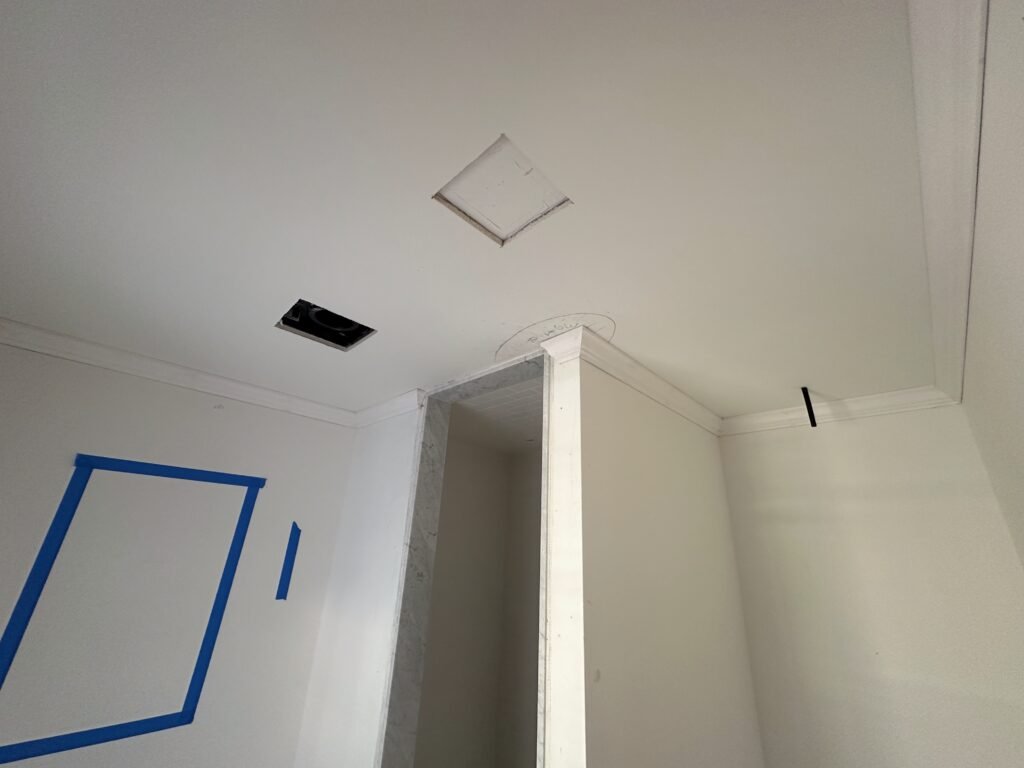
What this guide covers
- What a nail pop actually is
- The real causes behind them
- Why filling them alone does not work
- How to fix a nail pop so it stays fixed
What a nail pop is
A nail pop is a fastener, a nail or sometimes a screw, that has backed out slightly from the wood framing behind the drywall, pushing the joint compound and paint out into a little bump or cracking the surface around it. The drywall itself is fine. What has moved is the connection between the fastener and the wood, and the surface simply follows.
What actually causes them
Cause 01
Wood framing shrinking and moving
The most common cause. As the wood framing dries and moves with seasonal humidity, especially in newer homes and through Pennsylvania’s swing from humid summers to dry winters, it can push fasteners outward. This is why nail pops often appear in clusters after the first year or after a season change.
Cause 02
Nails instead of screws, or too few fasteners
Drywall hung with nails, or with fasteners spaced too far apart, is more prone to popping than drywall screwed at proper intervals. Nails simply hold less securely over time as the wood moves.
Cause 03
Fasteners set wrong
A nail or screw driven too shallow, too deep, or not into solid framing never held well to begin with, and it works loose with normal movement.
Worth knowing: Nail pops are almost always a cosmetic nuisance, not a structural problem. The framing is doing its job; the fastener is just no longer flush.
Why filling them alone fails
The tempting fix is to smear compound over the bump and repaint. That covers it for a while, but if the loose fastener is still there, the same movement pushes it right back out. To fix a nail pop for good, you have to secure the drywall to the framing again, not just hide the symptom.
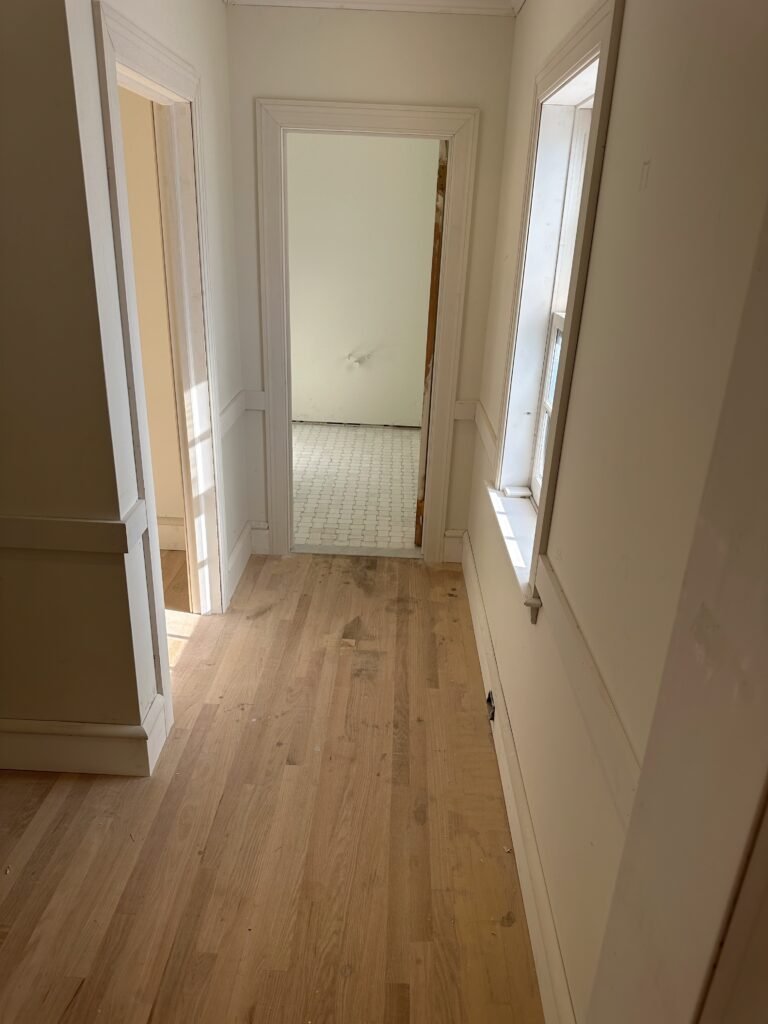
How to fix a nail pop so it stays fixed
The correct fix is straightforward when done right: drive a drywall screw into the framing an inch or two above and below the popped fastener to re-secure the board, then set the popped fastener back below the surface or remove it, then patch, sand, and repaint. Re-securing the board is the step that makes it permanent. If a whole room is popping, it is usually a sign the drywall was under-fastened, and re-securing more broadly is worth it. This kind of repair and finishing is part of our interior finishing service. Because moisture and movement drive so much of this, the building-science principles at Building Science Corporation are a useful background read, and our guide on why drywall cracks in older homes covers the related patterns.
The short version
What causes nail pops in drywall? Almost always wood framing moving with seasonal humidity, pushing a nail or screw back out, made worse by nails instead of screws or too few fasteners. They are cosmetic, not structural. The fix that lasts is to re-secure the drywall to the framing with new screws, then patch and paint, rather than just filling the bump and hoping. Do it right once, and it stays fixed.
Nail pops or cracks coming back no matter how often you patch them? We will fix them for good.