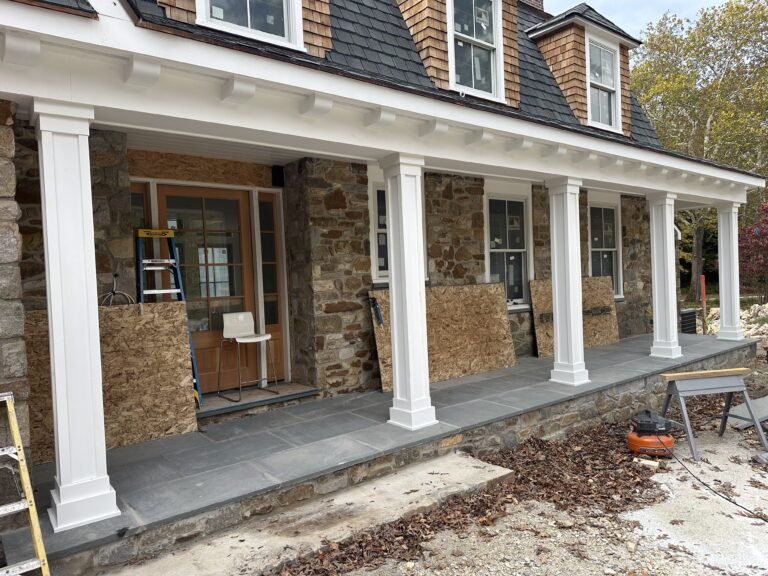

It is a fair question, and one that separates a lasting siding job from a shortcut: do you need to remove old siding before installing new siding, or can the new material just go over the top? You will find contractors who offer to side right over the existing cladding to save time. In most cases, especially on older Pennsylvania homes, removing the old siding first is the right call, because it is the only way to see and fix what is happening on the wall underneath.
What this guide covers
- Whether new siding can go over old siding
- Why removing the old siding first usually wins
- What contractors find behind old cladding
- When siding over the top might be acceptable
The short answer: usually, yes, remove it first
Siding over existing siding is possible in some narrow situations, but on most homes it hides more than it solves. The whole point of new siding is a sound, dry wall behind a clean face, and you cannot confirm the wall is sound if you never look at it. Removing the old siding lets the crew inspect the sheathing, repair any damage, and install a fresh, properly lapped moisture barrier, none of which is possible when you bury the old material under the new.
Worth knowing: The most important part of a siding job is the part you never see. Removing the old siding is what makes that hidden work possible.
What we find behind old siding
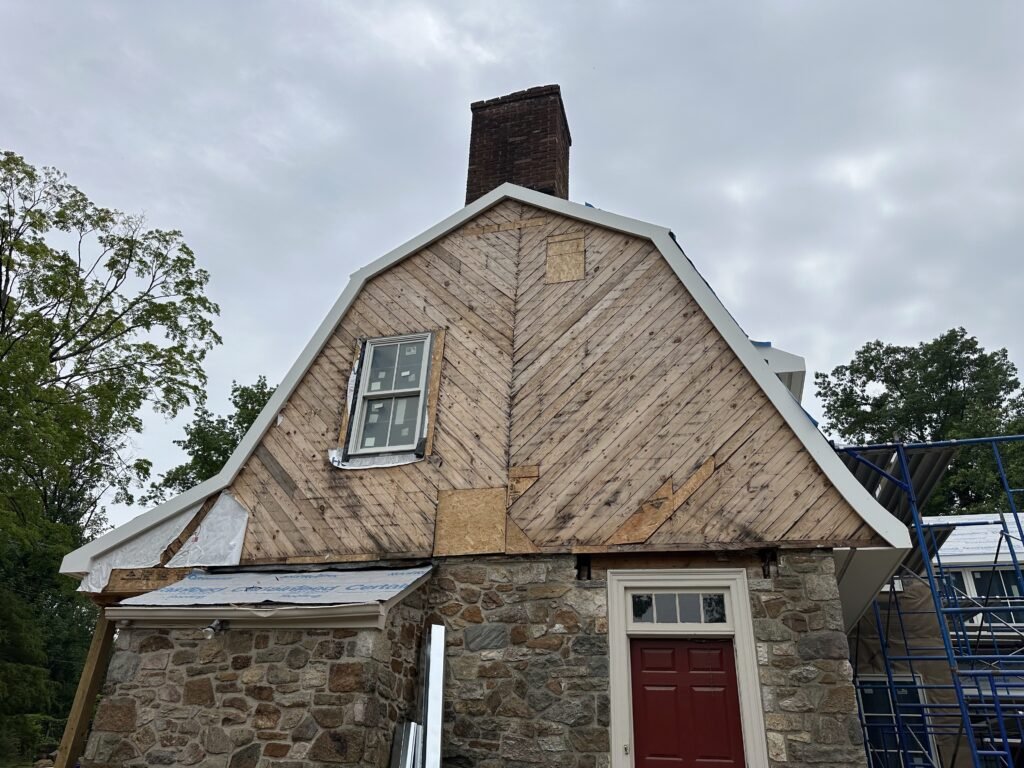
Once the old cladding comes off, the wall tells the truth. Common finds on older homes include:
Finding 01
Rotted or damaged sheathing
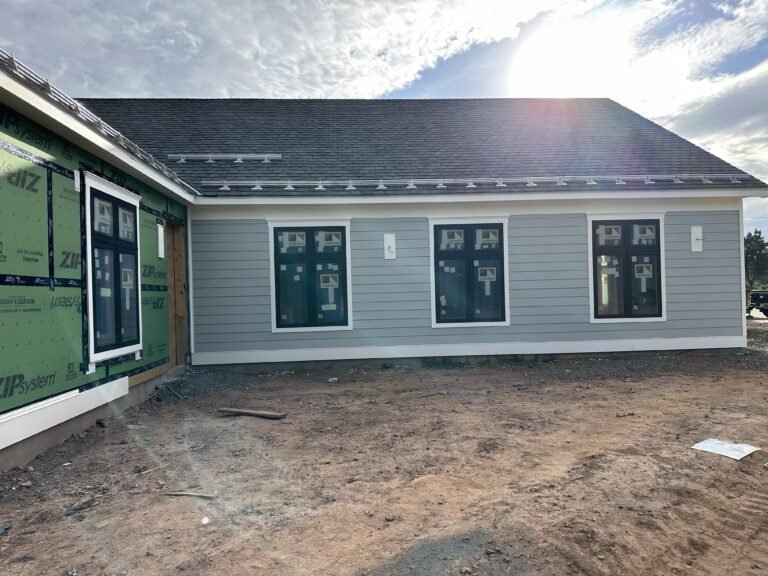
Water that got behind the old siding often left soft, darkened, or crumbling sheathing. Siding over it traps the problem; removing the old cladding lets us cut it out and replace it.
Finding 02
A failed or missing moisture barrier
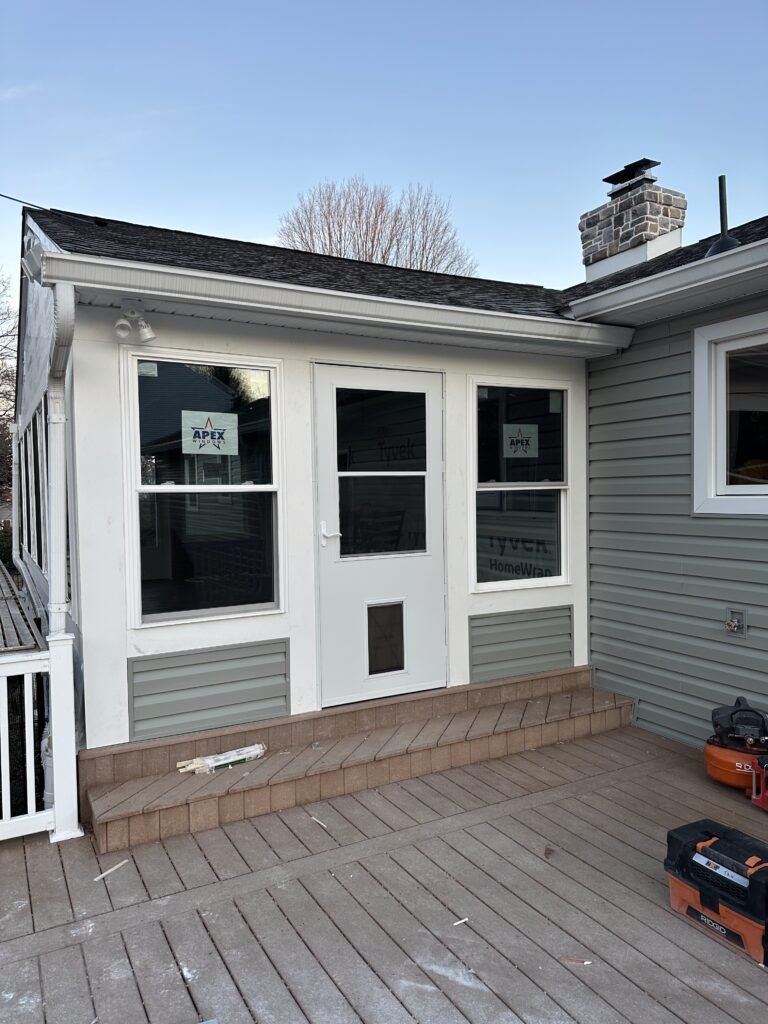
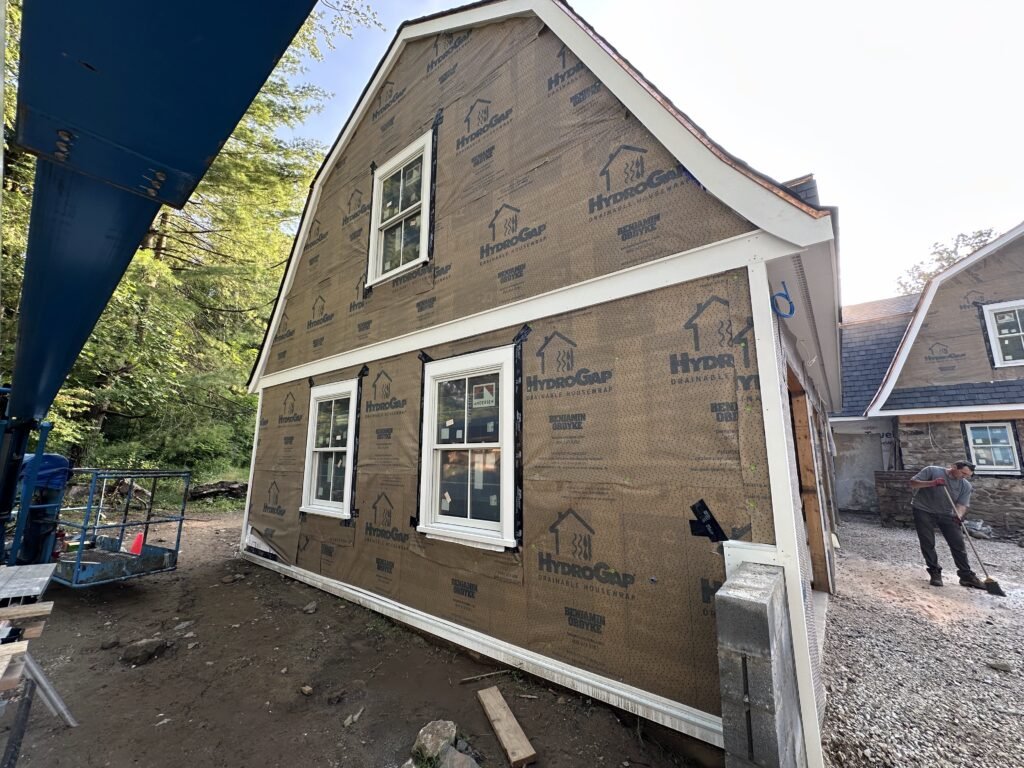
Older homes frequently have a torn, missing, or improperly lapped water-resistive barrier. A fresh, drainable housewrap is one of the biggest upgrades a re-siding delivers, and it can only go on with the old siding removed. The building-envelope research at Building Science Corporation explains why that barrier matters so much.
Finding 03
Hidden pest or moisture damage
Insects and long-term moisture leave damage that stays invisible until the wall is opened. Catching it during a re-siding is far cheaper than discovering it later.
When siding over the top might be acceptable
There are limited cases where going over existing siding can work, for example a sound wall with a flat, intact surface and the right added furring and detailing. Even then, it adds thickness that complicates windows, doors, and trim, and it still leaves the original wall unseen. For most Lancaster and Chester County homes, the small time savings is not worth the risk. Our guide on when siding needs removal versus repair covers where the line falls, and signs of water damage behind siding shows what we are looking for.
The short version
Do you need to remove old siding before installing new siding? In most cases, yes. Removing the old cladding is the only way to inspect the sheathing, repair hidden damage, and install a fresh moisture barrier, which is where the real, lasting value of a re-siding lives. Siding over the top saves a little time and hides the very problems a new wall should solve. When in doubt, take the old siding off and build the new wall right.
Planning to reside your home? We will remove, inspect, and build the wall to last.