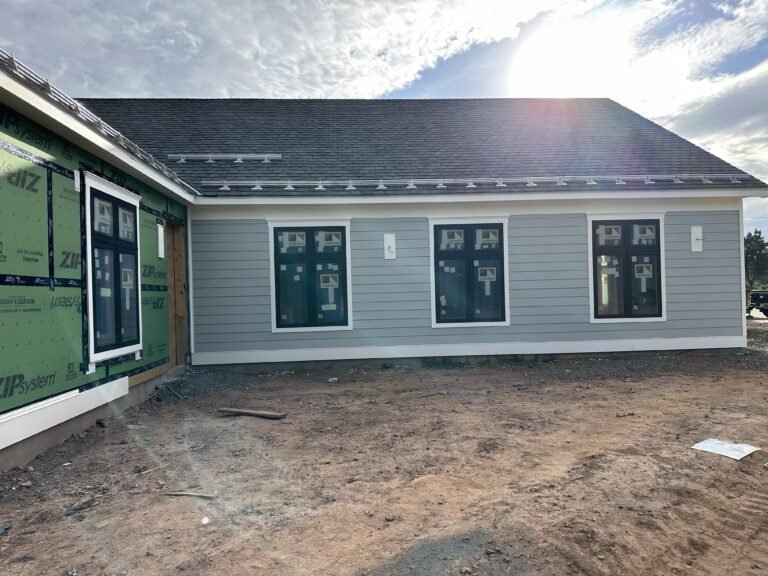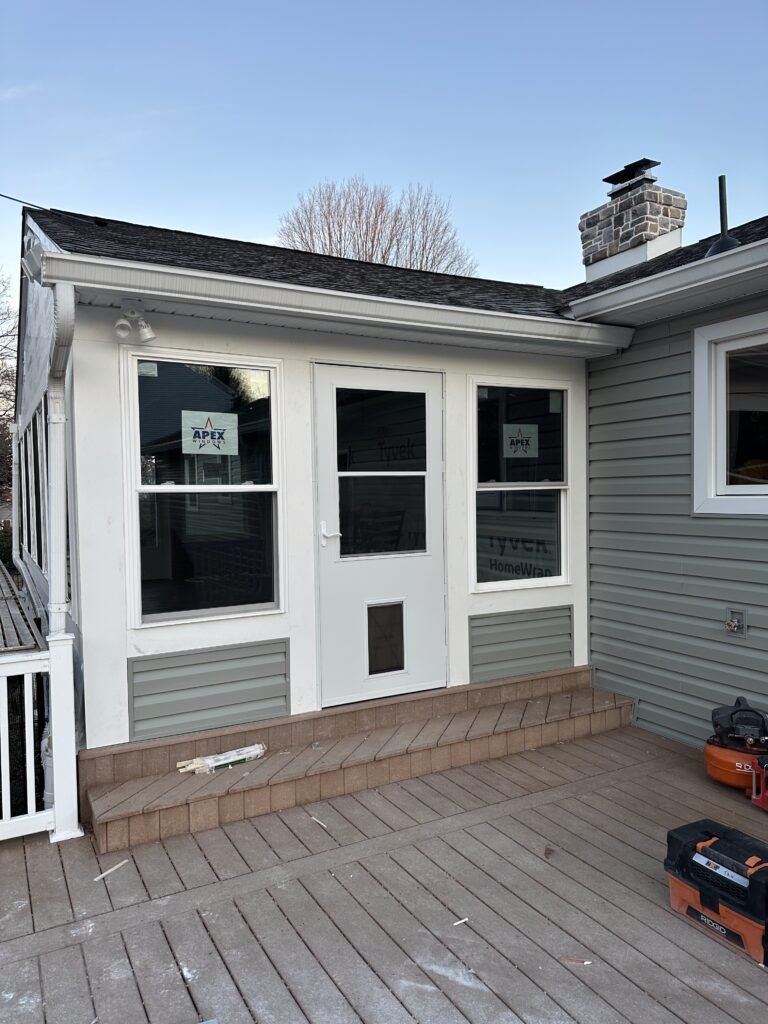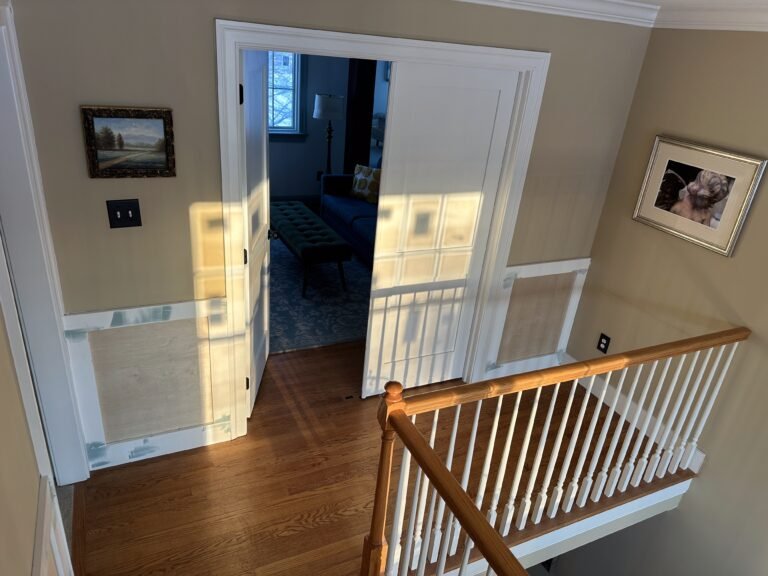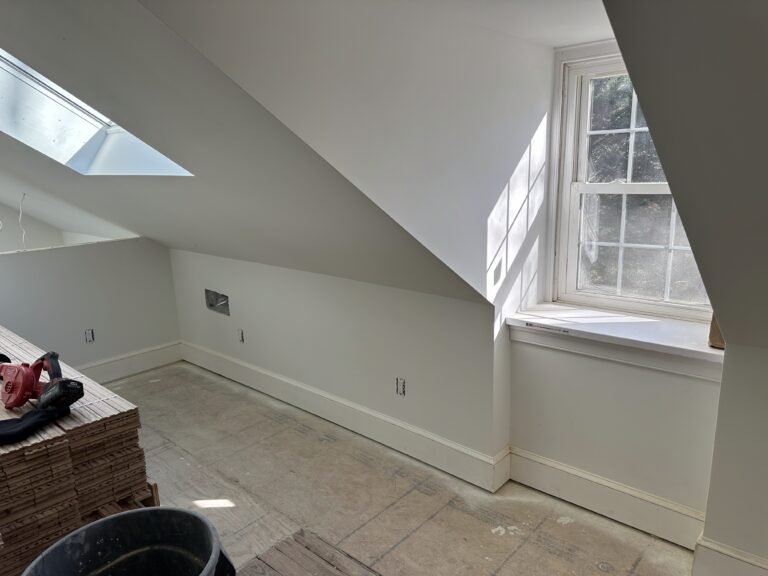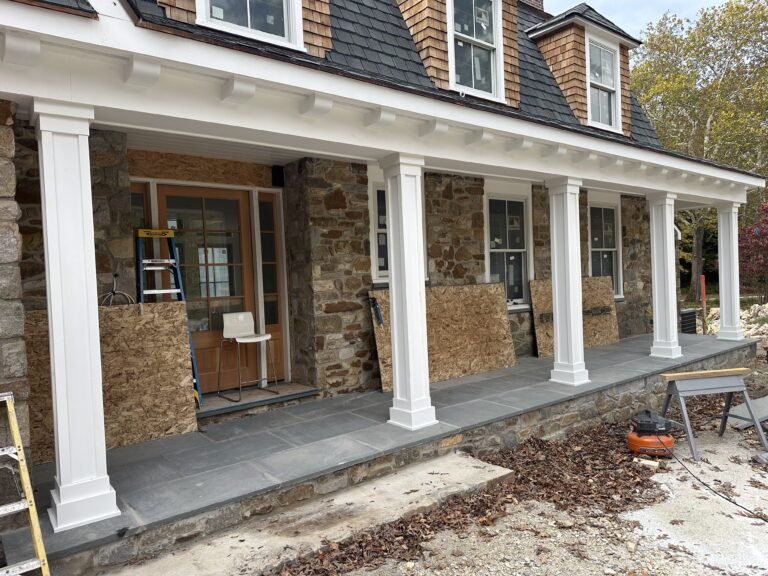

The mid-century ranch is one of the most renovatable homes you can own. Renovating a 1950s ranch home in Lancaster County PA rewards owners with solid bones, a single-level layout that suits any age, and a structure that takes well to opening up. The challenges are specific to the era: small, closed-off rooms, dated systems, and original materials that need careful handling. The opportunities are just as specific. Knowing the difference is how you update one of these homes without erasing what makes it good.
D&E Mako Renovation works on these ranches across Lancaster County, in places like Manheim, Ephrata, and New Holland where postwar neighborhoods are full of them. This guide covers how 1950s homes were built, what updates pay off, and what is worth preserving rather than tearing out.
What this guide covers
- How 1950s ranch homes were typically built
- Which updates deliver the most for these homes
- What original features are worth preserving
- The era-specific issues to plan for, including lead paint
- How to open up a closed mid-century floor plan
Understanding 1950s ranch construction before you start
Renovating a 1950s ranch home in Lancaster County PA starts with respecting how it was built. These homes came up during a postwar building boom, and the construction reflects both the strengths and the limits of that moment.
What was done well
Many 1950s ranches were framed with real dimensional lumber, often denser old-growth wood that is stronger than much of what is milled today. The single-story layout sits low and solid. Foundations and framing on these homes are frequently in excellent shape decades later, which is exactly why they renovate so well. You are usually working with a sound shell.
What needs attention
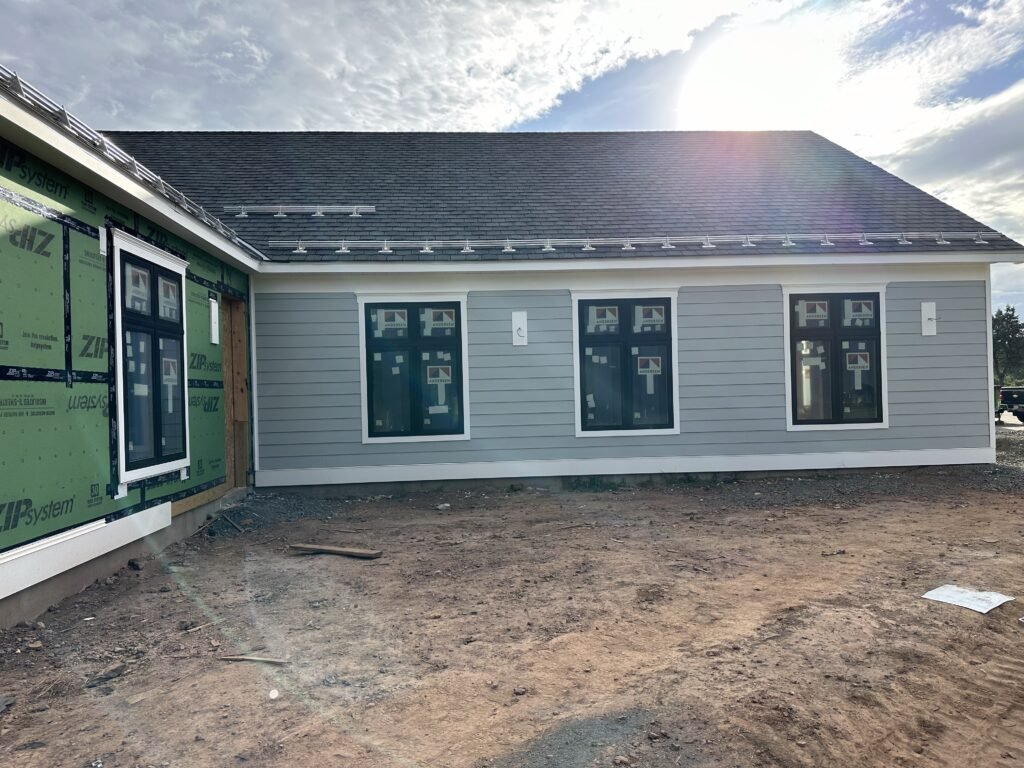
The systems are the weak point. Original electrical, plumbing, insulation, and windows from the 1950s are well past their service life. Insulation was minimal by today’s standards, windows were single-pane, and the floor plan was chopped into small, separate rooms that do not match how people live now. These are the targets of a smart renovation.
Worth knowing: The ranch’s single-level layout is having a real moment. It is exactly what buyers want for aging in place, which makes a well-renovated ranch a strong long-term home.
The updates that pay off most
Some changes transform how a 1950s ranch lives. These are the ones we see deliver the most.
Update 01
Opening up the floor plan
The biggest single improvement is removing a wall or two to connect the kitchen, dining, and living areas. Ranches respond beautifully to this because the single level makes an open plan feel expansive. This often involves structural work, covered in our guide on custom construction and renovation.
Update 02
Modern insulation and windows
Upgrading insulation and replacing single-pane windows changes how the home feels and how it holds temperature through Pennsylvania’s seasons. It is one of the highest-impact updates on a 1950s home, where the originals offered little.
Update 03
Refreshed interior finishes
New trim, refreshed or refinished floors, and updated kitchen and bath finishes bring a dated interior current without losing the home’s character. This finish work is the heart of our interior finishing service.
What to preserve and what to plan for
Not everything 1950s should go. Part of renovating these homes well is knowing what to keep, and part is handling the era’s hazards correctly.
Original features worth keeping
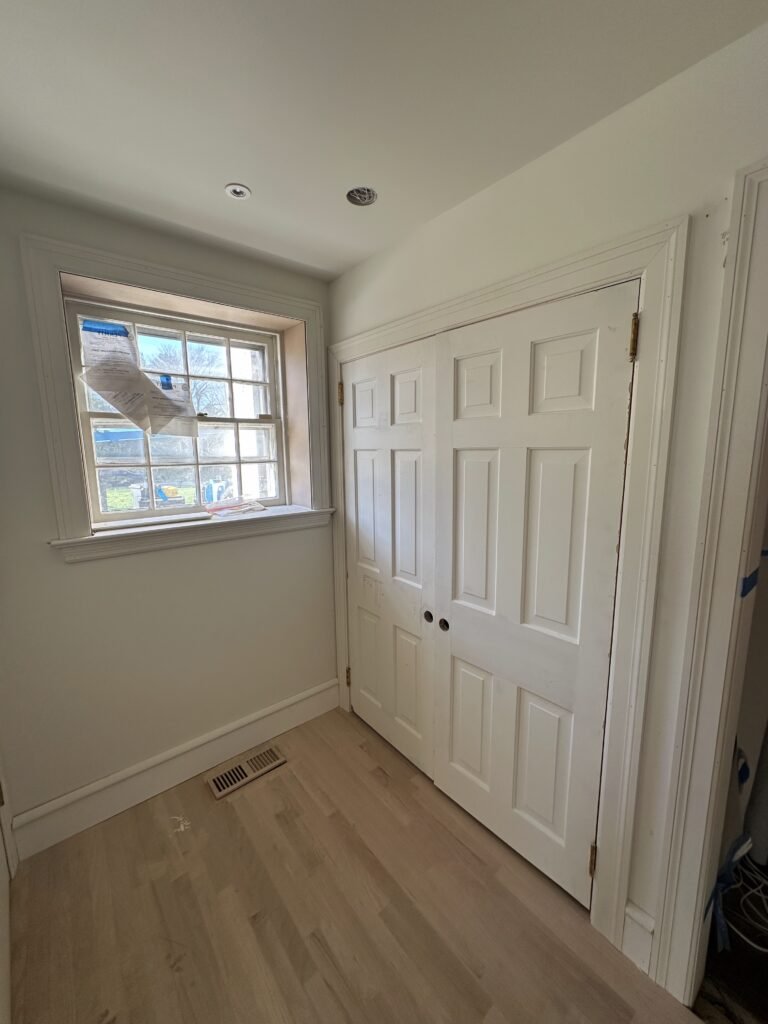
Solid wood doors, original hardwood floors hiding under old carpet, brick or stone fireplaces, and quality dimensional framing are all worth preserving. Real hardwood under the carpet is a common and welcome surprise on these homes, and refinishing it costs less and looks better than replacing it. Good mid-century character, the clean horizontal lines and honest materials, is an asset, not a flaw to renovate away.
Lead paint and older materials
Homes from the 1950s predate the 1978 lead paint ban, so original painted surfaces may contain lead. This matters the moment you start disturbing old paint during renovation. Work that disturbs lead paint should be handled by a properly certified firm, and you can find lead-safe certified contractors through the EPA’s Lead-Safe program. Planning for this up front keeps your family safe and your project compliant. Before you begin, our list of common interior renovation mistakes covers the planning errors that trip up older-home projects.
Worth knowing: Pull back a corner of old carpet in a 1950s ranch before you budget for new flooring. There is a good chance solid hardwood is waiting underneath, and refinishing it is the easy win.
Where D&E Mako Renovation works across Lancaster County
Lancaster County service area
- Manheim, PA — postwar neighborhoods full of solid 1950s ranches
- Ephrata, PA — our home base, with mid-century homes ripe for updating
- New Holland, PA — established ranch neighborhoods being modernized
- Lititz, PA — ranches with original hardwood and good bones
- Akron, PA — single-level homes ideal for aging-in-place renovations
- Mount Joy, PA — mid-century homes getting opened-up floor plans
If your project is outside these areas, get in touch through our contact page and we will let you know whether it falls within our range.
The short version on ranch renovations
Renovating a 1950s ranch home in Lancaster County PA usually means working with a sound structure and updating the parts that aged: the systems, the insulation, the windows, and the chopped-up floor plan. Open it up, upgrade what is worn out, and refresh the finishes, and these homes come alive.
Just as important is what you keep. Solid framing, original hardwood, and honest mid-century character are worth preserving. Plan for lead paint, respect the bones, and a postwar ranch becomes a comfortable, single-level home built for the long run.
Own a mid-century ranch with potential? Let us help you update it without losing what is good.