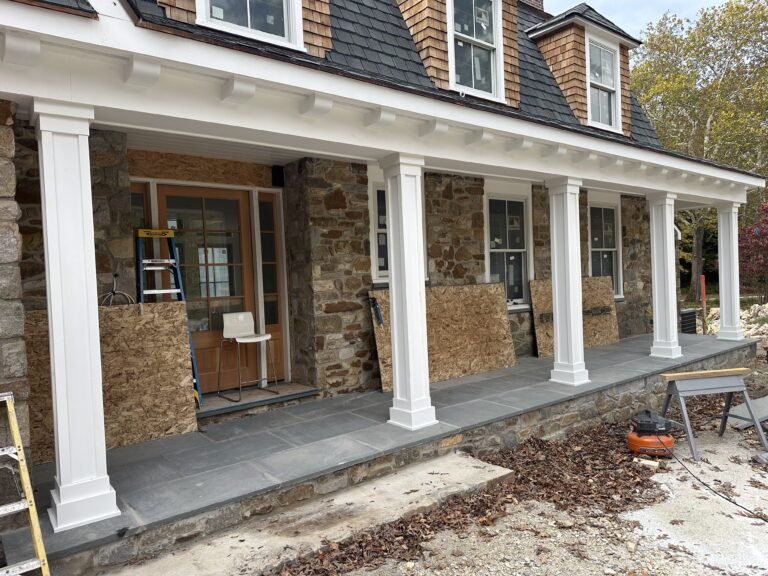

Picking the wrong contractor is the most expensive mistake a homeowner can make, and it usually starts with skipping a few basic checks. Knowing how to vet a Pennsylvania home improvement contractor takes more than scrolling reviews and going with the friendliest quote. It means verifying registration, confirming insurance, checking real references, and recognizing the warning signs in an estimate before you sign. Spend an hour on this up front and you avoid the nightmare projects that fill consumer complaint files every year.
D&E Mako Renovation works with homeowners across Lancaster County, from Ephrata to Lititz to New Holland, and we have been called in plenty of times to fix work a previous contractor walked away from. This guide is the checklist we wish every homeowner used. It applies whether you are hiring us or anyone else, because the goal is simply to protect you.

What this guide covers
- How to verify Pennsylvania contractor registration
- Why insurance matters and how to confirm it
- The right way to check references and past work
- The red flags that should stop you cold
- What a solid written contract includes
How to vet a Pennsylvania home improvement contractor before you sign
Three checks separate a legitimate contractor from a risky one: registration, insurance, and references. None of them take long, and skipping any one of them is where most homeowners get burned.
Verify PA home improvement registration
Pennsylvania requires most home improvement contractors to register with the state, and that registration number should appear on their contracts and marketing. You can confirm a contractor’s status directly through the PA Attorney General’s Home Improvement Contractor registry. If a contractor cannot or will not give you a registration number, that is the end of the conversation. Registration is the baseline, not a bonus.
Confirm insurance, do not just take their word
A real contractor carries liability insurance, and on larger outfits, workers compensation. Ask for a certificate of insurance and confirm it is current. This protects you if someone is hurt on your property or your home is damaged during the work. A contractor who hesitates here is asking you to absorb risk that should be theirs.
Worth knowing: Registration confirms a contractor is in the system. Insurance confirms you are protected. Reviews confirm they do good work. You want all three, not one out of three.
The red flags in contractor estimates
Once you are talking to a contractor, the estimate and their behavior reveal a lot. These are the warning signs that should make you pause or walk away.
Red flag 01
A large cash deposit up front
A contractor demanding a big payment before any work begins, especially in cash, is a classic warning sign. Reasonable deposits exist, but anyone wanting most of the money before lifting a tool may be funding another job or planning to disappear.
Red flag 02
No written contract or a vague one
A one-line estimate on a scrap of paper is not a contract. If the scope, materials, timeline, and payment schedule are not in writing, you have nothing to hold them to. Vagueness protects the contractor, not you.
Red flag 03
Pressure to decide right now
High-pressure tactics, today-only deals, and urgency to sign before you can think are sales manipulation, not signs of a busy professional. A reputable contractor is fine with you taking time to compare.
Red flag 04
No registration number or references
If they dodge your request for a registration number or cannot point you to recent local work, take that seriously. Legitimate contractors are proud to show both.
Red flag 05
Door-to-door and storm chasing
Unsolicited knocks after a storm, with a crew that happens to be working in your area, deserve extra scrutiny. Some are fine. Many are not, and they are gone before problems surface.
Checking references and reading the contract
The last two steps are the ones people rush. Slow down here, because this is where you confirm everything else.
Check references the right way
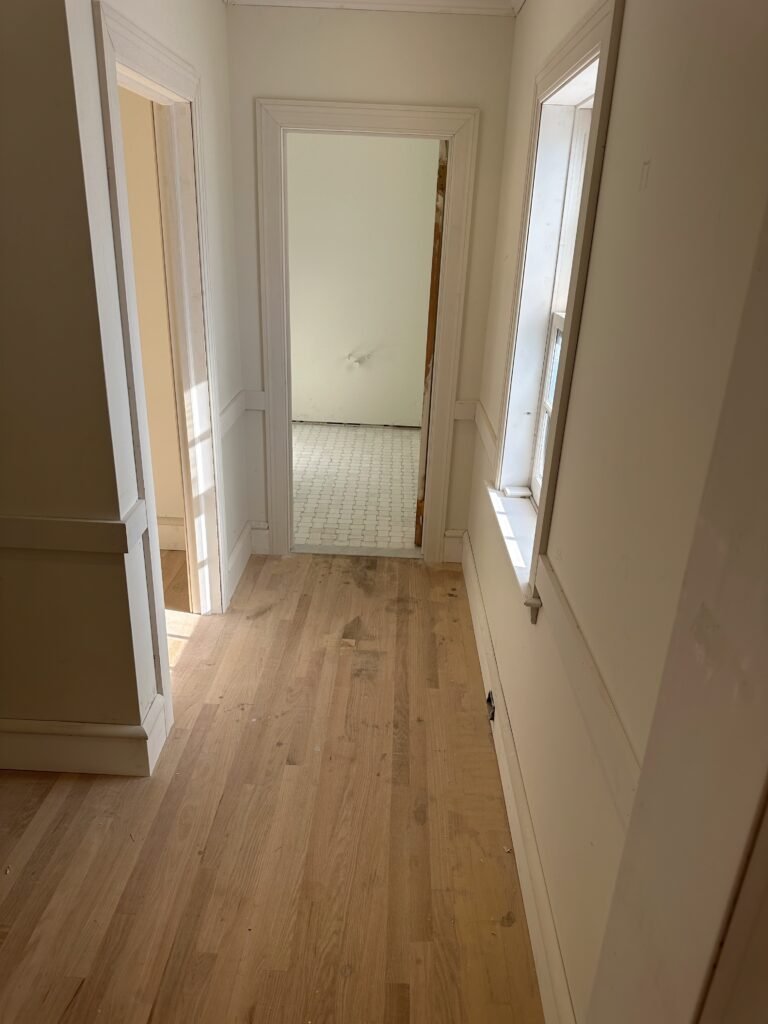
Ask for recent local references and actually call them. Ask whether the project finished on schedule, whether the final cost matched the agreement, how problems were handled, and whether they would hire the contractor again. Drive by a completed project if you can. Our own track record on jobs like the ones described in renovation work near Terre Hill is the kind of local proof worth looking for in anyone you hire.
What a solid contract includes
A real contract spells out the scope of work, the specific materials, the timeline, the payment schedule tied to milestones, and how changes are handled. It should reference the contractor’s registration and reflect what you discussed. The questions in our guide on what to ask before a commercial renovation apply to residential work too, and reading our list of common interior renovation mistakes will sharpen what you look for.
Worth knowing: The contractor who patiently answers your vetting questions is showing you exactly how they will communicate during the project. How they handle scrutiny now predicts how they handle problems later.
Where D&E Mako Renovation works across Lancaster County
Lancaster County service area
- Ephrata, PA — our home base, where we are happy to be vetted by every homeowner
- Lititz, PA — historic-home owners who want proven, careful contractors
- New Holland, PA — established neighborhoods with discerning homeowners
- Terre Hill, PA — a community where local reputation carries real weight
- Denver, PA — homeowners doing their homework before they hire
- Adamstown, PA — a mix of homes where references and registration matter
If your project is outside these areas, get in touch through our contact page and we will let you know whether it falls within our range.
The short version on vetting a contractor
Knowing how to vet a Pennsylvania home improvement contractor comes down to three checks and a careful read. Confirm state registration through the Attorney General’s registry, verify current insurance, and call real references. Then read the contract closely and watch for the red flags: big cash deposits, vague paperwork, high pressure, and dodged questions.
A legitimate contractor welcomes all of this. The hour you spend vetting is the cheapest insurance on the entire project, and it is the single best predictor of whether your renovation becomes a good story or a cautionary one.
Vetting contractors for your project? Ask us anything. We are glad to show our work and our paperwork.