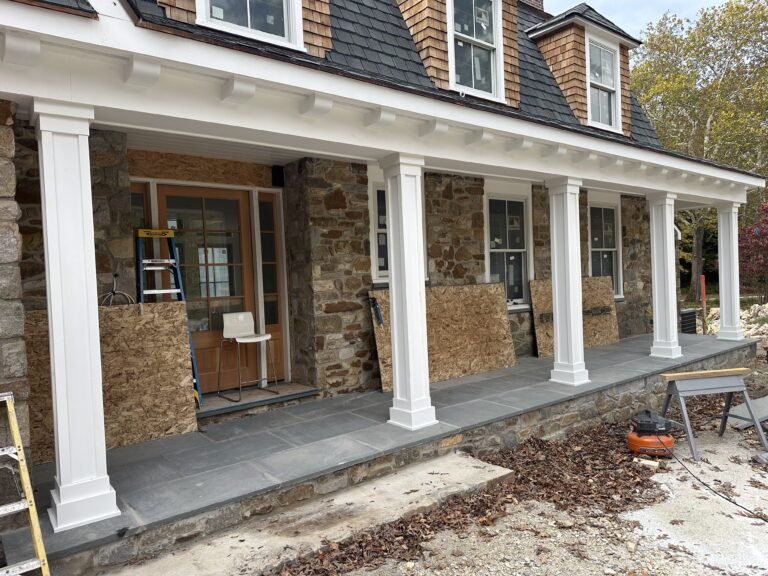

People use the terms as if they mean the same thing, and they mostly do, until they do not. Understanding the difference between trim carpentry and finish carpentry in PA matters when you are hiring, because it shapes who you call and what to expect from their work. Both deal with the visible woodwork that makes a room feel finished. The distinction is in scope, precision, and the kind of project each is suited to. Get the right person for the job and the result looks effortless. Get the wrong fit and the gaps show, literally.
D&E Mako Renovation does both across Lancaster County, in homes around Ephrata, Lititz, and New Holland. This guide lays out what each discipline actually covers, where they overlap, when you need one versus the other, and how to vet a carpenter so the finish work in your home is something you are proud of, not something you notice for the wrong reasons.
What this guide covers
- What trim carpentry covers and where it ends
- What finish carpentry adds beyond standard trim
- Where the two disciplines overlap in practice
- When you need a finish carpenter specifically
- How to find and vet a finish carpenter in Lancaster County
The difference between trim carpentry and finish carpentry in PA
The simplest way to think about it: trim carpentry is a category of work, and finish carpentry is a level of craft. There is heavy overlap, which is why the words get swapped. But the emphasis is different.
What trim carpentry covers
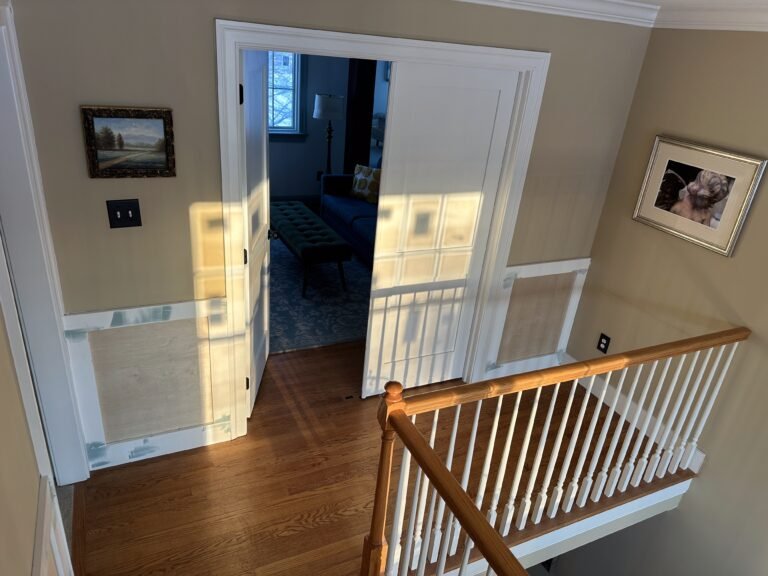
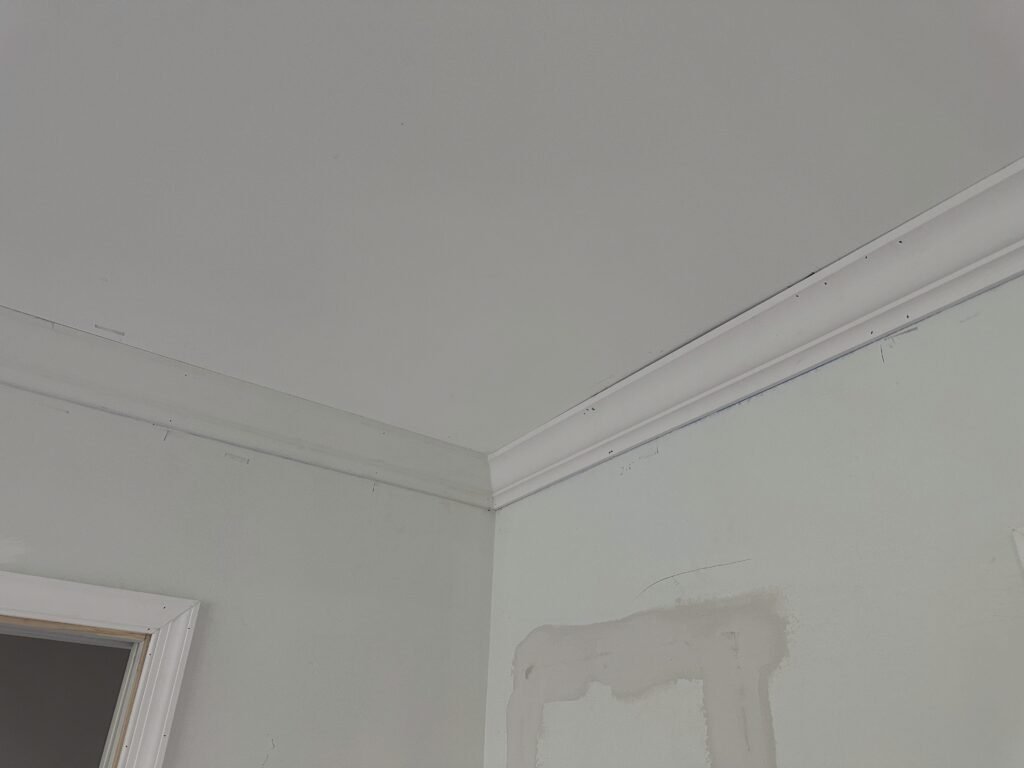
Trim carpentry is the installation of the standard millwork that frames a room: baseboards, door and window casing, crown molding, chair rail, and the like. It is the woodwork that covers transitions and gives a room its finished edges. A skilled trim carpenter measures, cuts, and fits these pieces so the joints are tight and the lines are clean. On most homes, this is the bulk of the visible carpentry.
What finish carpentry adds
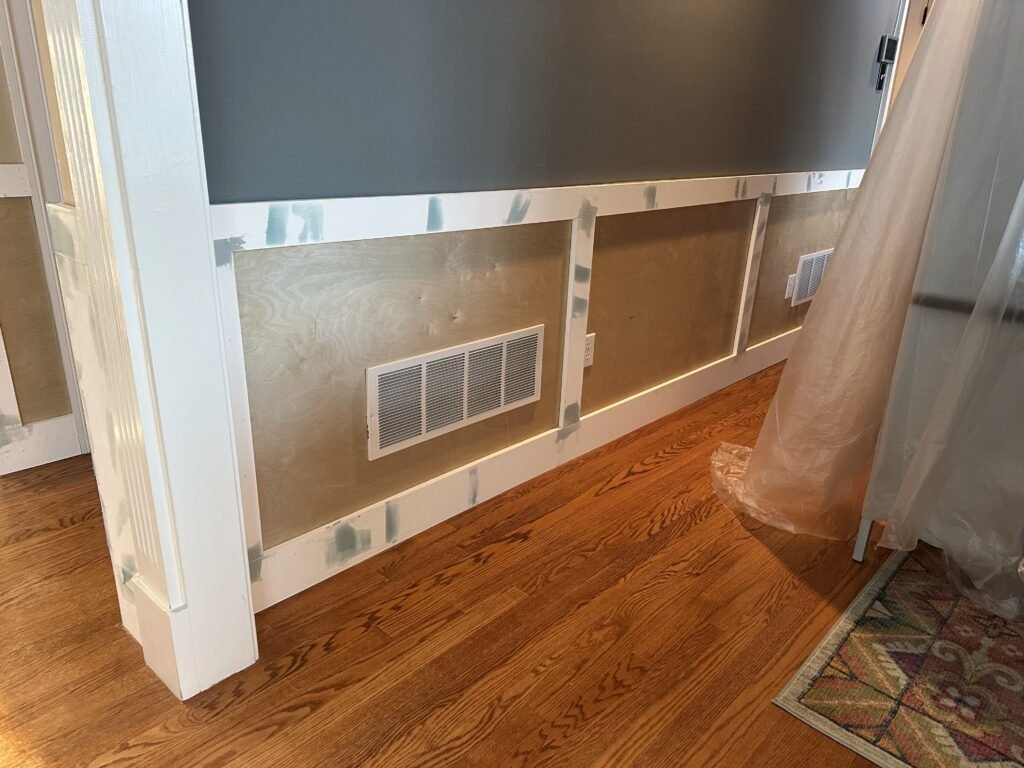
Finish carpentry is trim work taken to a higher level of detail and complexity. It includes everything trim carpentry does, plus the custom and precision work: built-in cabinetry and shelving, wainscoting and paneling, coffered ceilings, custom mantels, stair parts, and intricate millwork. It is the carpentry where tolerances are tighter, the joinery is more demanding, and the work is often one of a kind. A finish carpenter is judged on details most people feel before they consciously see them.
Worth knowing: All finish carpenters can do trim work, but not all trim carpenters do high-level finish work. When the project involves built-ins or custom millwork, that distinction is the one that matters.
Where the two overlap
In the real world, the line is blurry, and that is fine. Most carpentry projects involve both standard trim and a few elevated details.
The shared toolkit
Both rely on the same core skills: precise measuring, accurate cuts, clean coping and mitering, and an eye for how wood reads in a finished space. A carpenter who installs your baseboards well is using the same fundamentals as one building a bookcase. The difference is how far those fundamentals get pushed. This is the foundation of our trim and finish carpentry service, where the same crew handles the standard runs and the custom pieces.
One project, both disciplines
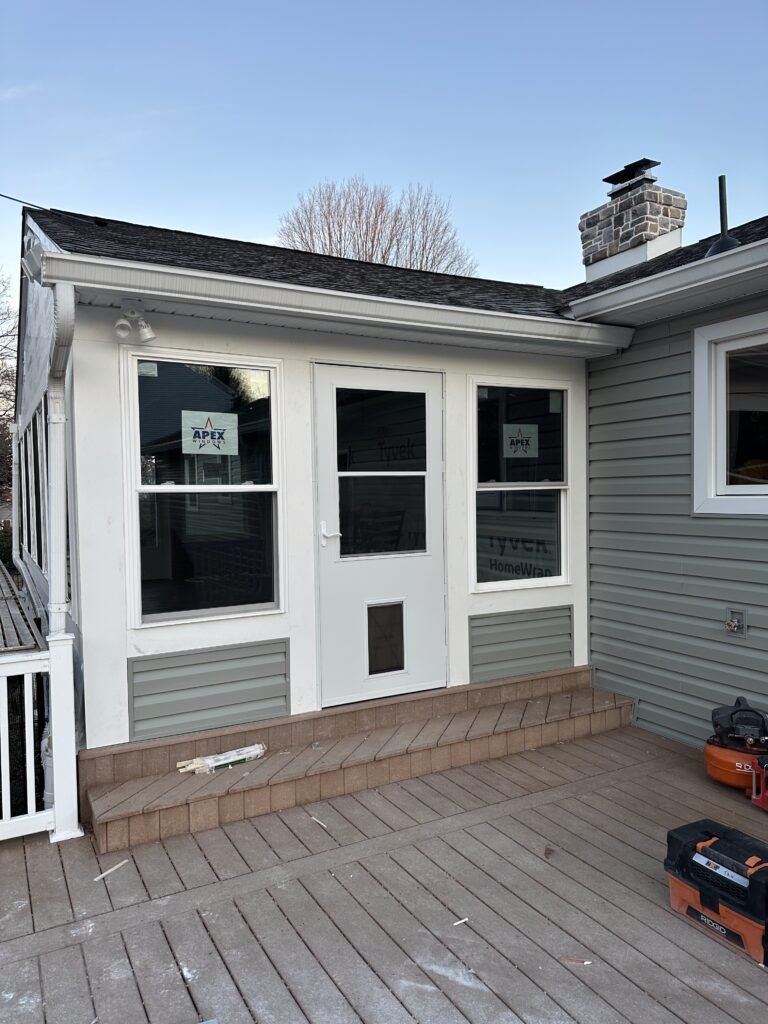
A single room renovation might involve straightforward casing and base around the perimeter, plus a custom window seat with built-in storage. The first is trim carpentry, the second is finish carpentry, and they happen on the same job by the same hands. That is why the terms blur, and why hiring someone capable of both is usually the right call. Our related work on aluminum trim installation shows the same precision applied to exterior detailing.
How to find a finish carpenter in Lancaster County PA
When your project needs the higher level of craft, vetting matters more, because the difference between good and great finish work is all in the details.
Tip 01
Look at the joints, not the photos
Anyone can photograph a finished room from across the space. Ask to see close-ups of joints, miters, and where pieces meet. Tight, gap-free joinery is the tell. That is where finish carpentry quality lives or dies.
Tip 02
Ask about custom work specifically
If you need built-ins or millwork, ask for examples of that exact type of work, not just casing and base. A carpenter strong in standard trim is not automatically strong in custom finish work, so look for proof of the thing you actually need.
Tip 03
Verify credentials and reputation
Check that the contractor is properly registered and insured, and look at independent reviews. Industry resources like NARI can help you understand what professional credentials mean and how to verify a remodeler’s standing.
Once you have found someone you trust, finish carpentry pairs naturally with broader interior work. Our interior finishing service brings the trim, the built-ins, and the final details together so a room reads as one cohesive finished space.
Worth knowing: Finish carpentry is the last thing done and the first thing people notice. It is worth getting right, because no amount of good structural work hides sloppy trim.
Where D&E Mako Renovation works across Lancaster County
Lancaster County service area
- Ephrata, PA — our home base, handling everything from base trim to custom built-ins
- Lititz, PA — historic homes where period trim profiles demand careful matching
- New Holland, PA — established homes adding wainscoting and custom millwork
- Manheim, PA — houses getting a finish-carpentry upgrade during renovation
- Lititz and Akron, PA — borough homes where clean trim makes older rooms feel new
- Mount Joy, PA — homes combining standard trim with built-in storage
If your project is outside these areas, get in touch through our contact page and we will let you know whether it falls within our range.
The short version on trim versus finish
The difference between trim carpentry and finish carpentry in PA comes down to scope and craft. Trim carpentry is the standard millwork that frames a room. Finish carpentry includes that plus the custom, precision work like built-ins and detailed paneling. The skills overlap heavily, and most projects use both.
When you are hiring, the practical takeaway is simple: for standard trim, find a solid trim carpenter, and for custom built-ins and detailed work, make sure that same person can show you finish-level results. Judge them by their joints, not their wide-angle photos, and you will end up with woodwork that quietly elevates the whole home.
Need trim, built-ins, or custom millwork done right? Let us show you what clean finish work looks like.