
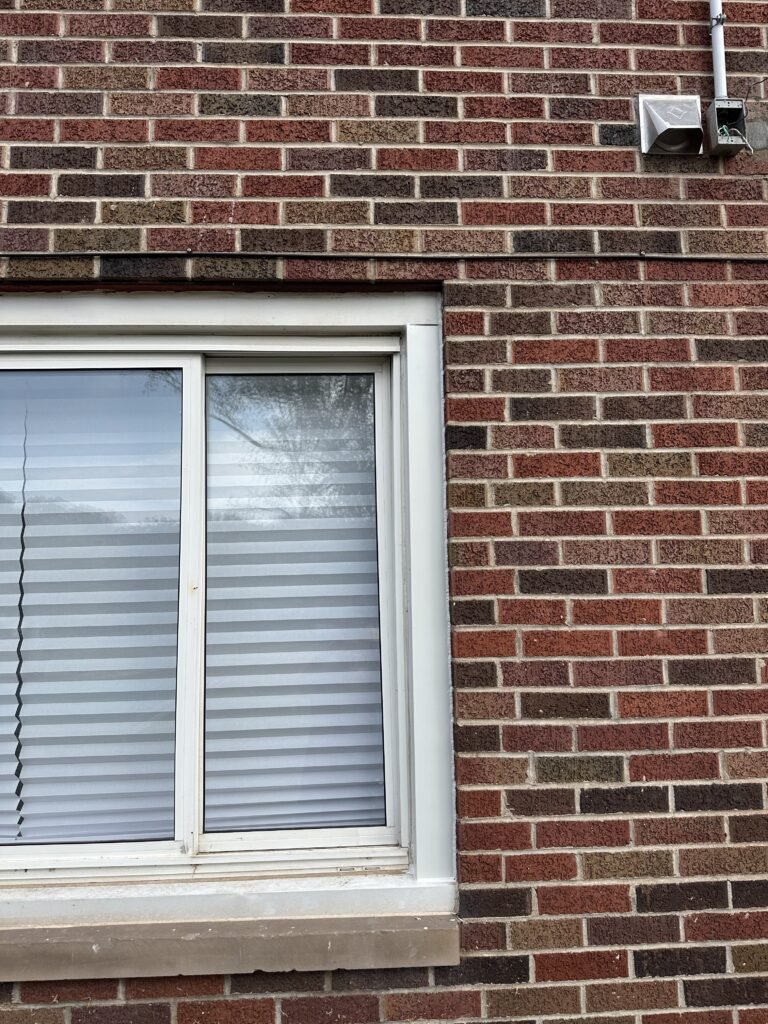
You caulked around the windows a couple of years ago, and now the bead has split, shrunk, or pulled away from the frame. It is a common frustration, and it matters more than it looks, because those gaps are exactly where water and air get into the wall. Understanding why the caulk around windows is cracking helps you fix it in a way that actually lasts instead of re-caulking the same joints every season.
What this guide covers
- Why exterior caulk cracks and fails
- Why the wrong product is the usual culprit
- When cracking caulk signals a bigger problem
- How to re-caulk so it lasts
Why caulk cracks in the first place
Reason 01
The wrong caulk for the job
This is the most common cause. Cheap or interior-grade caulk is not built to flex through a Pennsylvania year of hot summers and freezing winters. It goes on fine, then hardens, shrinks, and cracks within a season or two. A quality exterior sealant made to stay flexible lasts far longer.
Reason 02
Constant movement and temperature swings
The joint around a window opens and closes microscopically as materials expand and contract with the seasons. Caulk sits right in that moving joint, so it has to stretch. A brittle bead cannot, so it tears away from one side or splits down the middle.
Reason 03
Poor prep or caulking over caulk
Caulk applied over old, failing caulk, over dirt, or into a joint that is too wide never bonds properly. It cannot grip a bad surface, so it lets go early. Prep is most of the job with sealant.
Worth knowing: Ninety percent of failed window caulk comes down to the wrong product or poor prep. The right sealant, applied to a clean joint, flexes for many years.
When it is more than just caulk
Sometimes cracked caulk is the least of it. If you also see gaps between the siding and the window trim, stained or soft trim, or interior signs like bubbling paint below the window, the problem is not the caulk; it is water getting into the wall, and caulk is only the outermost line of defense. In that case, re-caulking alone hides a leak. Our guides on water damage behind siding and proper window installation cover what real weatherproofing looks like, since flashing, not caulk, is what actually keeps a window watertight.
How to re-caulk so it lasts
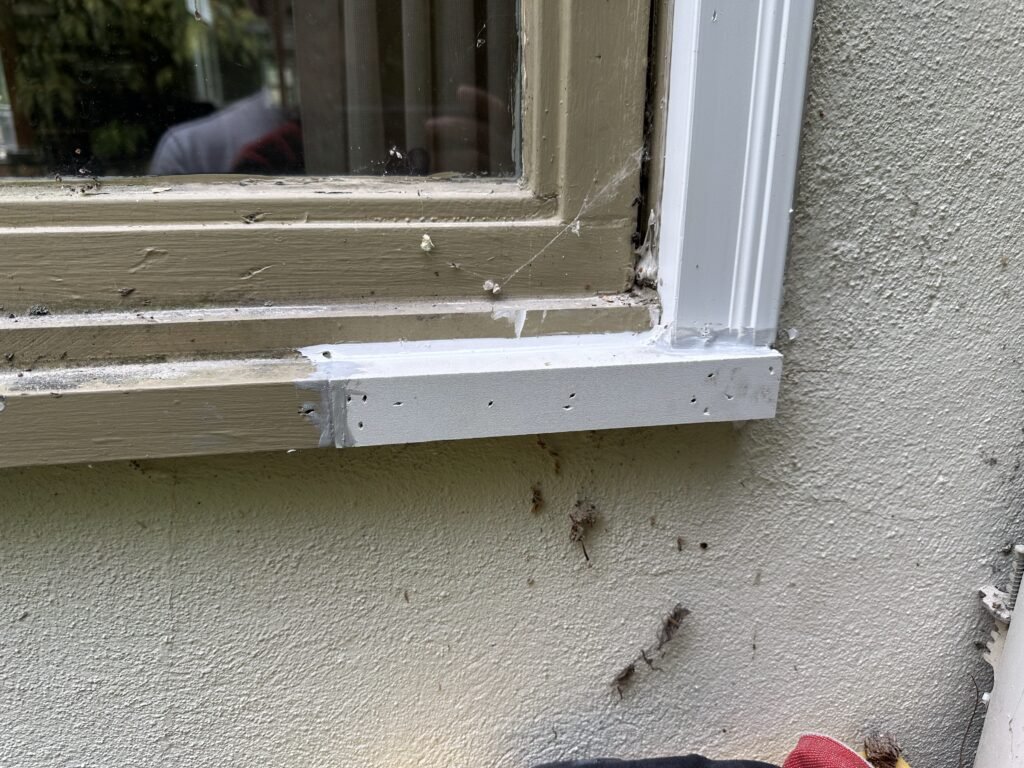
A lasting re-caulk is mostly prep: remove all the old, failing caulk, clean and dry the joint, and use a quality exterior sealant rated to stay flexible, tooled smooth so it bonds to both sides of the joint. If the joint is too wide, backer rod goes in first so the sealant has the right depth. Done this way, the bead moves with the seasons instead of tearing. The building-envelope research at Building Science Corporation explains why a flexible, well-bonded seal is what keeps air and water out over time.
The short version
Why is the caulk around your windows cracking? Almost always because it was the wrong product, applied over poor prep, sitting in a joint that moves all year. The fix is a quality flexible exterior sealant on a clean, dry, properly sized joint. But if you also see gaps at the trim, stained wood, or interior paint bubbling, the caulk is not the real problem; water is getting into the wall, and that needs proper flashing, not just a fresh bead.
Re-caulking the same windows every year? Let us find out whether it is the caulk or a leak.