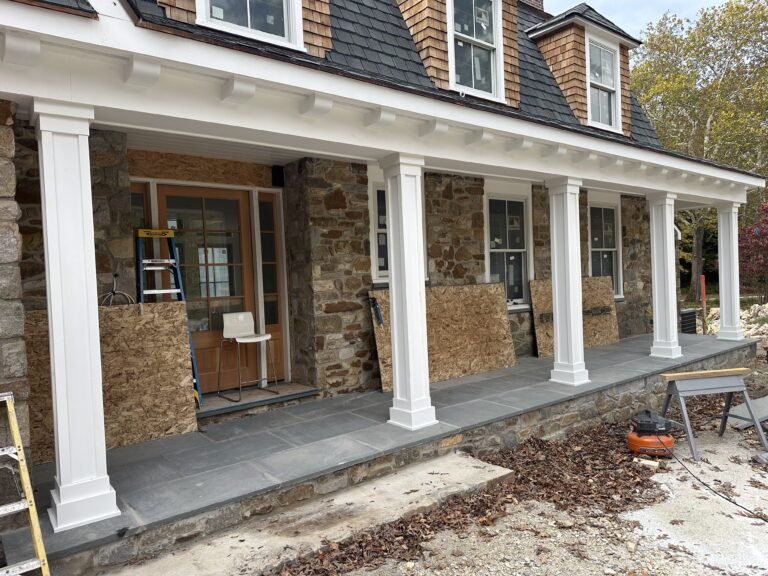

A good deck extends your living space into the backyard and gets used from the first warm day of spring through the last cookout of fall. Building a deck in Lancaster County PA is one of the most popular outdoor projects there is, and it looks simple enough that plenty of people try it themselves. The framing and the decking are straightforward. The parts that are not, the ledger connection to the house, the footings, the load it carries, and the code that governs all of it, are exactly where decks fail. A deck that pulls away from the house is one of the more dangerous failures in residential construction, so the structure is not the place to guess.
D&E Mako Renovation builds decks and outdoor structures for homes across Lancaster County, in Ephrata, Lititz, New Holland, and the surrounding towns. This guide covers what makes a deck safe, the choices in materials and layout, and the code details that matter.
What this guide covers
- Why the ledger and footings are the safety-critical parts
- The decking material choices and how they compare
- How layout and size shape the project
- Code, permits, and inspections for decks
- Why a deck is structural work, not just carpentry
Why building a deck in Lancaster County PA is structural work
A deck holds people, furniture, and gatherings, often a foot or more off the ground or higher. That load has to be carried safely, and two connections do most of that job.
The ledger and the footings
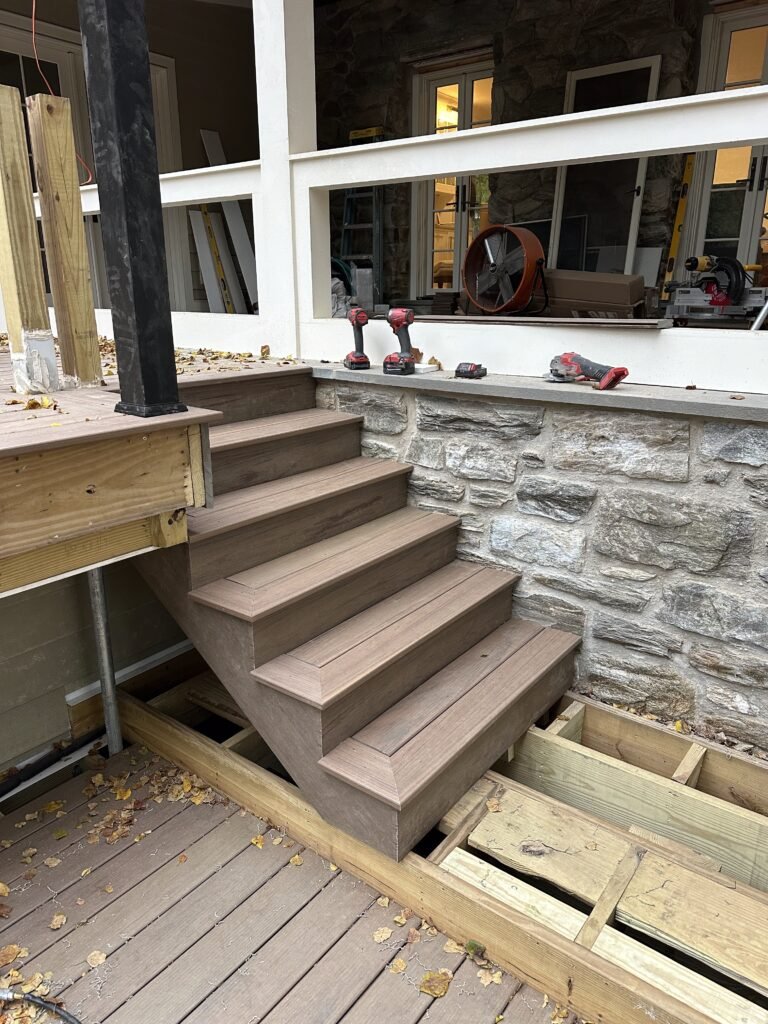
The ledger board attaches the deck to the house, and it is the single most important connection in the whole structure. A ledger that is fastened wrong or not flashed properly is the leading cause of deck collapses and of water rot where the deck meets the house. Below, the footings carry the deck’s posts down to stable ground below the frost line, so the deck does not heave and shift through our freeze-thaw winters. Get the ledger and footings right and the deck is rock-solid. Get them wrong and the rest does not matter.
Watch: How to Frame a Simple Deck
Source: This Old House on YouTube, framing a simple deck.
Worth knowing: Most deck failures are not the decking giving way. They are the ledger pulling off the house. That connection, hidden under the boards, is the part that keeps a deck and the people on it safe.
Material and layout choices
Once the structure is sound, the visible choices, decking material and layout, shape how the deck looks, feels, and ages.
Choice 01
Pressure-treated wood
The traditional, economical choice. Pressure-treated lumber is strong and widely used, but it needs regular cleaning, sealing, or staining to hold up against our weather. It is a fine deck for an owner who does not mind the upkeep.
Choice 02
Composite and PVC decking
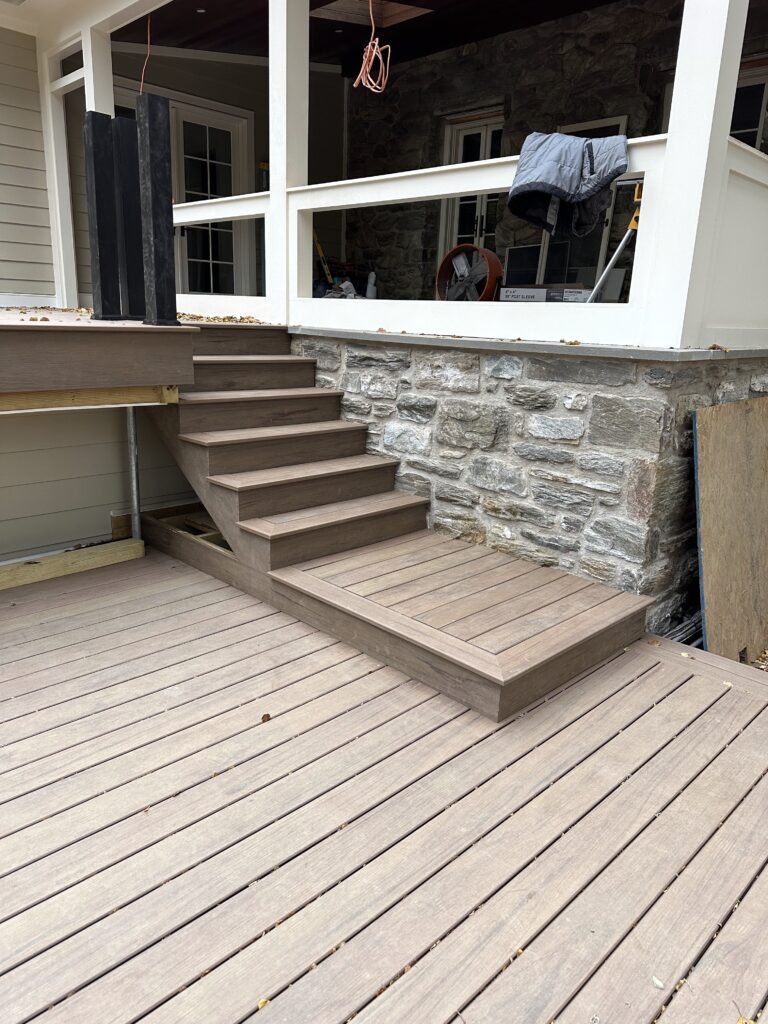
Composite and PVC boards cost more up front but skip the staining and sealing entirely, resist rot and fading, and last for many years with little more than a wash. For homeowners who want to use the deck rather than maintain it, this is usually the better long-term value.
Choice 03
Size, shape, and how you will use it
The right layout follows how you live: dining, lounging, a grill zone, stairs to the yard, and how it connects to the house. A deck designed around real use, rather than just a rectangle, is the one that gets used every day. This planning is part of our custom construction and renovation service.
Code, permits, and a deck that lasts
Because a deck carries people off the ground, it is regulated, and for good reason.
Permits and inspections
Building a deck almost always requires a permit and inspection, which checks the footings, the ledger connection, the framing, and the railing height and strength. Lancaster County municipalities follow the codes published by the International Code Council, and these standards exist specifically because deck failures hurt people. A contractor who works locally handles the permit and schedules the inspections as part of the job. Our guide on when you need a permit covers how the process works.
Tying it to the home
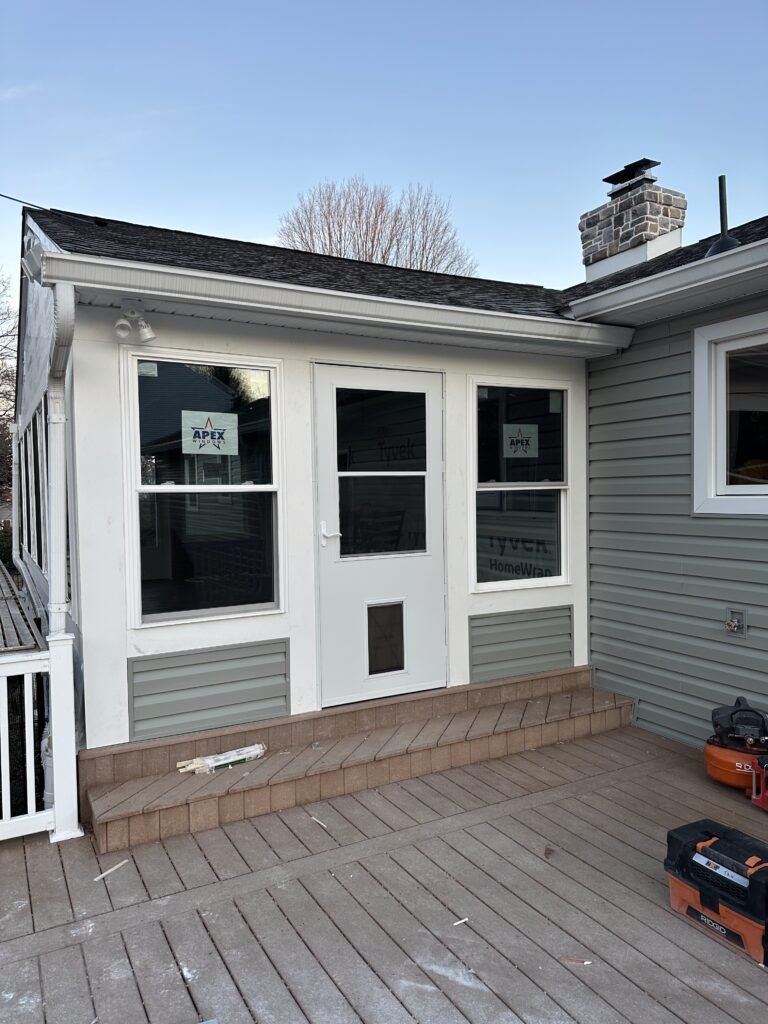
A deck is part of the home’s exterior, so flashing where it meets the house, and coordinating with siding and trim, protects the structure long term. That connects to the exterior work in our guides on water damage behind siding, since a poorly flashed ledger is a classic source of hidden moisture. Larger outdoor builds can overlap with our commercial renovation and construction capabilities.
Worth knowing: Skipping the permit on a deck is a false economy. The inspection exists to confirm the parts you cannot see, the footings and the ledger, are safe. That is the whole point of building it right.
Where D&E Mako Renovation works across Lancaster County
Lancaster County service area
- Ephrata, PA — our home base, building decks and outdoor structures
- Lititz, PA — homes adding backyard living space
- New Holland, PA — established homes replacing aging decks
- Manheim, PA — houses adding composite and wood decks
- Akron, PA — borough homes extending into the yard
- Denver, PA — a mix of homes building new decks
If your project is outside these areas, get in touch through our contact page and we will let you know whether it falls within our range.
The short version on building a deck
Building a deck in Lancaster County PA is structural work that happens to look simple. The decking and framing are the easy part. The ledger connection to the house and the footings below the frost line are what keep the deck and everyone on it safe, and they are where most deck failures begin.
Choose decking that matches how much maintenance you want, lay out the deck around how you will actually use it, and treat the permit and inspection as the safety check they are. Built correctly, a deck is outdoor living space you will enjoy for years.
Planning a new deck or replacing an old one? Let us build it safe, solid, and to code.